
TENSION HEADACHES · HUNTINGTON, NY
Tension Headaches & Cervicogenic Headache Treatment
Most headaches that won’t go away aren’t actually headaches — they’re neck problems sending pain into the head. We treat the source, not the symptom.
Patients drive to our Huntington office from across northern Long Island — Dix Hills, Melville, Greenlawn, Northport, Cold Spring Harbor, Commack, and surrounding communities.
THE DISTINCTION THAT CHANGES TREATMENT
Tension Headaches vs. Cervicogenic Headaches vs. Migraines
Most patients tell us “I get headaches” — but the type matters because the treatment is different. We evaluate every headache patient to determine the actual mechanism, then build treatment around the real cause.
Tension Headaches
The most common type. Dull, band-like pressure across the forehead or back of the head. Driven by muscle tension in the neck and upper back, postural dysfunction, and stress. Often respond well to chiropractic care, soft tissue therapy, and postural correction.
Cervicogenic Headaches
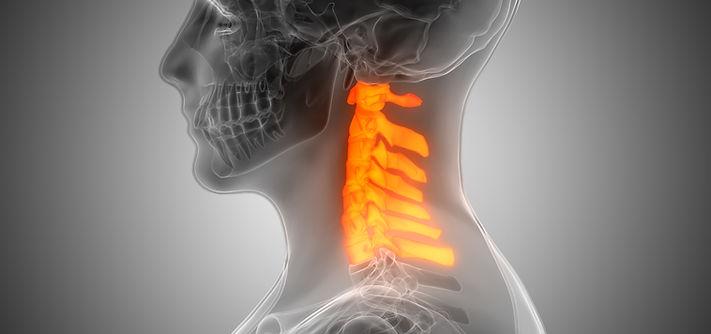
Headaches that originate from cervical (neck) dysfunction. Pain typically starts at the base of the skull and radiates forward over the top of the head. The neck is often stiff and tender. Cervicogenic headaches are one of the most under-diagnosed headache types — and one of the most responsive to chiropractic treatment.
Migraines
Vascular headaches with their own neurological mechanism — often one-sided, throbbing, with light/sound sensitivity, nausea, or aura. While we don’t claim chiropractic “cures” migraines, many migraine patients have a cervical contribution that, once addressed, reduces frequency and severity. We evaluate this case by case.
Post-Traumatic Headaches
Headaches following a car accident, fall, or sports injury — often involve a cervical component from the trauma. We see these patients alongside our auto accident caseload and coordinate care accordingly.
OUR APPROACH
How We Treat Headache Patients
Comprehensive Headache Evaluation
Detailed history, neurological screening, cervical range of motion measurement, and orthopedic provocation testing to determine the actual mechanism driving your headaches. We don’t treat a “headache” — we treat the cause.
Diagnosis & Treatment Plan
Most headaches we see are tension or cervicogenic, with a cervical dysfunction at the source. We explain the diagnosis, recommended treatment, and expected timeline before starting.
Active Treatment
Cervical adjustments, soft tissue work on the suboccipital and upper trapezius muscles, postural correction, and stretching. Most patients see meaningful reduction in headache frequency within 4–6 visits.
Maintenance & Trigger Management
Once headaches resolve, we identify the postural, ergonomic, and lifestyle triggers that brought them on — and give you specific strategies to prevent recurrence. Most patients don’t need ongoing treatment.
COMMON QUESTIONS
Headache Treatment FAQ
Can chiropractic care really help with headaches?
For tension headaches and cervicogenic headaches, yes — these respond very well to chiropractic care because their cause is often cervical dysfunction. For true migraines, results vary; many migraine patients have a cervical contribution that responds to treatment, which can reduce migraine frequency or severity. We evaluate each headache case individually.
How many visits will I need?
Most tension and cervicogenic headache patients see meaningful reduction in headache frequency within 4–6 visits. Chronic patients with long-standing dysfunction may need 8–12 sessions. After the initial evaluation we’ll give you a specific plan with expected benchmarks.
What if my headaches are caused by something else?
If our evaluation suggests your headaches have a non-musculoskeletal cause — vascular, hormonal, medication-related, or another medical condition — we’ll tell you and refer to the right specialist. We don’t treat what we can’t help.
Are headache treatments covered by insurance?
West Hills is an out-of-network provider for most plans. We provide superbills you can submit for reimbursement, and we offer cash-pay rates. Call our Huntington office at (631) 659-2980 and we’ll walk you through what your specific plan covers.
START YOUR RECOVERY
Stop Living with Headaches. Start Fixing the Cause.
Schedule Your Evaluation Call (631) 659-2980